Buy rc-shop.eu ?
We are moving the project
rc-shop.eu .
Are you interested in purchasing the domain
rc-shop.eu ?
domain@kv-gmbh.de · 0541-91531010
Buy rc-shop.eu ?
How do you import cast parts?
To import cast parts, the first step is to identify a reliable supplier or manufacturer of the specific cast parts needed. Once a supplier is identified, the next step is to negotiate pricing, lead times, and quality standards. After reaching an agreement, the importer will need to arrange for shipping and customs clearance, ensuring compliance with all import regulations and documentation requirements. Finally, the imported cast parts can be received and inspected for quality before being integrated into the production process. **
How do you weld cast parts?
Welding cast parts requires careful preparation and the use of appropriate welding techniques. First, the surfaces of the cast parts need to be cleaned and preheated to reduce the risk of cracking. Then, a suitable welding process such as stick welding, MIG welding, or TIG welding is chosen based on the type of cast material. It's important to use the correct filler material and welding parameters to ensure a strong and durable weld. Additionally, post-weld heat treatment may be necessary to relieve any residual stresses and improve the overall integrity of the weld. **
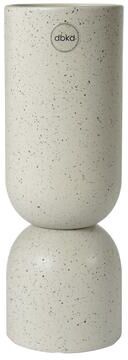

Similar search terms for DBKD-POST-Vase-Cast
Top-Angebote
Products related to DBKD-POST-Vase-Cast:


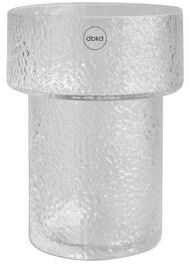

-
'Vase or glass?'
It depends on the context and purpose. A vase is typically used for holding flowers or decorative branches, while a glass is used for drinking liquids. If the question is about which one to use for a specific purpose, then the answer would depend on whether the intention is to display flowers or to serve a beverage. Both have their own unique functions and can be chosen based on the specific need at hand. **
-
Who knows this vase?
The person who knows this vase is likely the owner or someone who has a personal connection to it. It could also be someone who has studied or researched the vase, such as an art historian or a museum curator. Additionally, the artist or creator of the vase would also have knowledge of it. **
-
Who made this vase?
This vase was made by an ancient Greek potter and artist. It is an example of Greek pottery from the 5th century BC, known for its intricate designs and skilled craftsmanship. The artist's name is not known, as pottery from this time period was typically not signed or attributed to specific individuals. However, it is likely that the vase was made in a workshop where multiple artists and potters collaborated on creating such pieces. **
-
Is the vase broken?
Yes, the vase is broken. It is in pieces and cannot be used in its original form. **


How do you weld cast iron parts together?
Welding cast iron parts together can be challenging due to the material's high carbon content and tendency to crack under heat stress. To successfully weld cast iron, it is important to preheat the parts to a specific temperature, typically around 500-1200°F, to reduce the risk of cracking. Additionally, a special nickel-based welding rod or electrode is often used to provide a strong and durable bond between the cast iron parts. It is also important to use a slow cooling process after welding to prevent the formation of cracks. Overall, welding cast iron requires careful preparation, the right equipment, and a precise welding technique to achieve a successful and reliable weld. **
What is the vase worth?
The vase is worth $500. **
Top-Angebote
Products related to DBKD-POST-Vase-Cast:
-
How do you import cast parts?
To import cast parts, the first step is to identify a reliable supplier or manufacturer of the specific cast parts needed. Once a supplier is identified, the next step is to negotiate pricing, lead times, and quality standards. After reaching an agreement, the importer will need to arrange for shipping and customs clearance, ensuring compliance with all import regulations and documentation requirements. Finally, the imported cast parts can be received and inspected for quality before being integrated into the production process. **
-
How do you weld cast parts?
Welding cast parts requires careful preparation and the use of appropriate welding techniques. First, the surfaces of the cast parts need to be cleaned and preheated to reduce the risk of cracking. Then, a suitable welding process such as stick welding, MIG welding, or TIG welding is chosen based on the type of cast material. It's important to use the correct filler material and welding parameters to ensure a strong and durable weld. Additionally, post-weld heat treatment may be necessary to relieve any residual stresses and improve the overall integrity of the weld. **
-
'Vase or glass?'
It depends on the context and purpose. A vase is typically used for holding flowers or decorative branches, while a glass is used for drinking liquids. If the question is about which one to use for a specific purpose, then the answer would depend on whether the intention is to display flowers or to serve a beverage. Both have their own unique functions and can be chosen based on the specific need at hand. **
-
Who knows this vase?
The person who knows this vase is likely the owner or someone who has a personal connection to it. It could also be someone who has studied or researched the vase, such as an art historian or a museum curator. Additionally, the artist or creator of the vase would also have knowledge of it. **
Similar search terms for DBKD-POST-Vase-Cast
-
Who made this vase?
This vase was made by an ancient Greek potter and artist. It is an example of Greek pottery from the 5th century BC, known for its intricate designs and skilled craftsmanship. The artist's name is not known, as pottery from this time period was typically not signed or attributed to specific individuals. However, it is likely that the vase was made in a workshop where multiple artists and potters collaborated on creating such pieces. **
-
Is the vase broken?
Yes, the vase is broken. It is in pieces and cannot be used in its original form. **
-
How do you weld cast iron parts together?
Welding cast iron parts together can be challenging due to the material's high carbon content and tendency to crack under heat stress. To successfully weld cast iron, it is important to preheat the parts to a specific temperature, typically around 500-1200°F, to reduce the risk of cracking. Additionally, a special nickel-based welding rod or electrode is often used to provide a strong and durable bond between the cast iron parts. It is also important to use a slow cooling process after welding to prevent the formation of cracks. Overall, welding cast iron requires careful preparation, the right equipment, and a precise welding technique to achieve a successful and reliable weld. **
-
What is the vase worth?
The vase is worth $500. **
* All prices are inclusive of VAT and, if applicable, plus shipping costs. The offer information is based on the details provided by the respective shop and is updated through automated processes. Real-time updates do not occur, so deviations can occur in individual cases. ** Note: Parts of this content were created by AI.